Changing the Narrative on Disabled Dogs: Ability Beyond Disability

by Linda Goodman …

When you spot a three-legged dog or one rolling along happily in a wheelchair, how does it make you feel? Some feel an instant pang of sympathy, while others can’t help but admire their joy and determination. It seems we humans often fall into two camps when it comes to dogs with disabilities. And just like with people, not all disabilities are immediately visible.

In many cases, a dog who is blind or partially sighted doesn’t always look any different at first glance, and their carer may need to explain that they’re visually impaired. The same is often true for deaf dogs. But when we see a dog using a wheelchair, it can spark an instant emotional response … feelings of pity from some, or awe and amazement from others. Do these same people have a similar response when they see a human in a wheelchair I wonder?

What would you do?

Now take a moment to think about your own beloved dog. If an accident or illness meant they needed a wheelchair to get around, how do you think you would respond? Most of us would rush straight to the vet, searching for answers and hoping to find a way forward. And if our dogs aren’t in pain or suffering, many of us would choose to explore how we can support them to continue living a happy, fulfilling life. Of course, that might mean a little more hands-on care … helping with toileting, adapting walks, or finding new ways to play together. But caring for our dogs through every stage of their lives is part of the bond we share with them. After all, that’s what being their best friend is really about.

It’s also important to acknowledge that not everyone is able to provide this level of care themselves, and that’s okay. In those situations, seeking help from a specialist charity or rescue with experience in caring for disabled dogs can be a loving and responsible choice … one that gives a dog the chance to continue living a comfortable, happy life.

Times have changed

Decades ago, a dog who couldn’t use their back legs was often seen as an immediate candidate for euthanasia. Thankfully, our understanding has grown enormously since then. Today, we know just how resilient and adaptable dogs can be, and how capable they are of embracing life, whatever it throws at them.

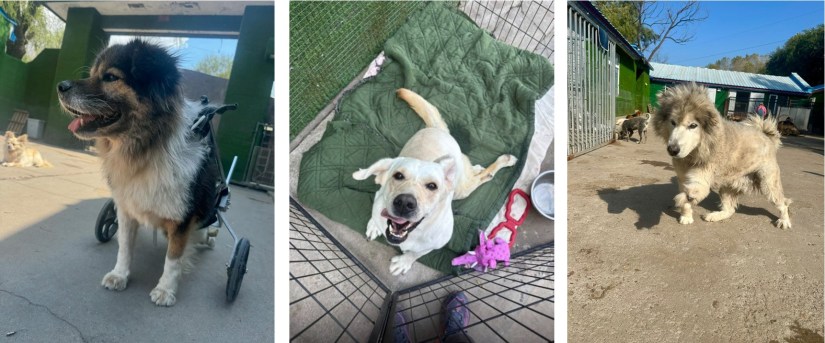
There are now far more options available to help disabled dogs live happy, fulfilling lives. You only need to go on social media to see how much dogs in wheelchairs are enjoying their lives … zooming around parks and fields with their owners trying to catch up with them is an absolute joy to watch. Thanks to advances in veterinary science, prosthetics for three-legged (and even two-legged) dogs are becoming increasingly accessible too.

Accident, illness or congenital?

Every disabled dog’s story is different. In some cases, loss of mobility is the result of trauma or injury, such as road traffic accidents or falls that damage the spine or spinal cord. In others, dogs develop conditions like Intervertebral Disc Disease (IVDD), where bulging or ruptured discs press on the spinal cord. This condition is more common in breeds such as Dachshunds, Basset Hounds, Pekingese, Shih Tzus, Lhasa Apsos, French Bulldogs, and Pugs. Another condition is Degenerative Myelopathy (DM), a progressive spinal disease that typically affects older dogs and leads to gradual paralysis. And, of course, some puppies are born with congenital conditions that affect their mobility from birth.

Because every dog’s circumstance is individual, there’s no one size fits all approach, but there is plenty of advice and assistance out there if you know where to look.

Ensuring a happy, fulfilling life

Below are just some of the many amazing, compassionate charities dedicated to supporting disabled dogs and their families, while challenging the misconception that a disabled dog cannot enjoy a good quality of life. I encourage you to visit their social media pages and websites to see for yourself the happiness and freedom these dogs experience in their wheelies.

Even if you’re not in a position to adopt a disabled dog right now, there are many meaningful ways you can support these amazing charities. Following them on social media, sharing their posts, and spreading awareness helps challenge outdated perceptions and makes you an ambassador for disabled animals.

If you currently donate to larger national charities, you might also consider supporting smaller rescues, many of which are fundraising to open desperately needed specialist centres. Above all, help them combat the prejudice that still exists around disabled dogs.

We chose the name Woofability with an emphasis on ability for a reason. Together, we can change the narrative — from focusing on what disabled dogs can’t do, to celebrating everything that they can.

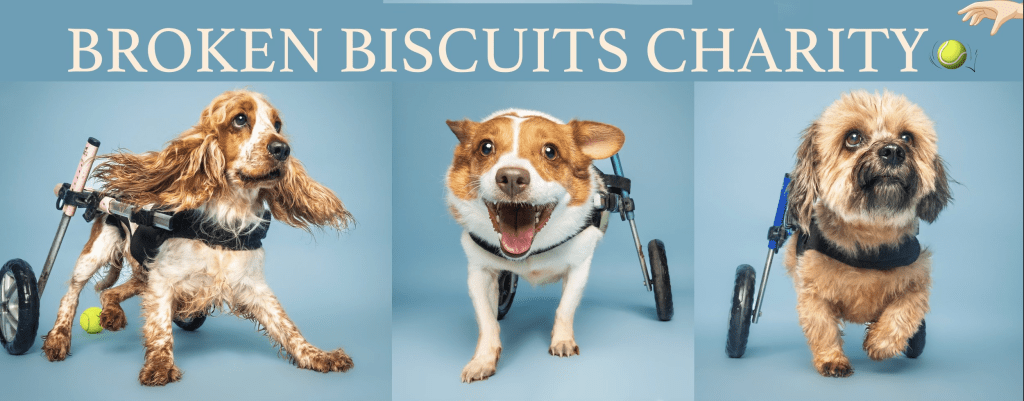
Broken Biscuits are a disabled animal charity and disabled dog park, giving dogs back their run. They work with vets to educate the wider community about the possibilities of life post injury, with the right care and equipment. Just like with disabled humans, a life changing injury or illness need not be a life ending one. They work to promote the many options available to treat and rehabilitate injured animals and restore their mobility so that they can return to healthy, active lives. They advocate for the potential of injured animals and provide practical means to help families stay together.

Working directly with veterinary professionals, and related experts, they provide wheelchairs and other mobility aids to dogs in need to aid their rehabilitation and get them rolling.

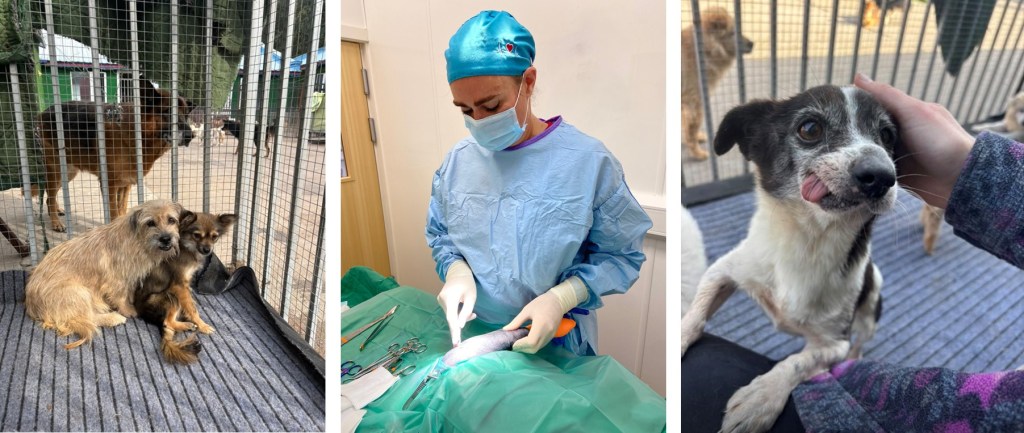
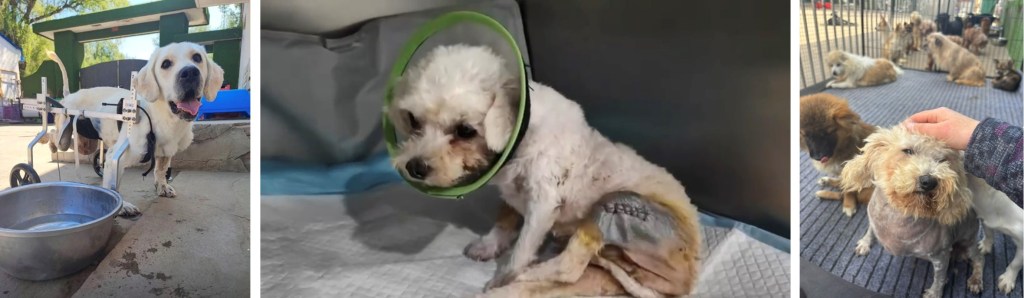
Flori’s Friends Rescue are a 100% nonprofit charitable organisation dedicated to rescuing, rehabilitating and rehoming severely abused and unwanted animals. They specialise in the care of paralysed dogs and animals with complex medical needs to give every animal the best chance at a happy, fulfilling life. They provide free wheelchair fittings and mobility training for dogs that have recently become paralysed or have lost mobility and/or continence.

They also rescue hundreds of able-bodied animals and are a specialist rehabilitation centre for disabled and mobility impaired animals. They have a specialist network of vets, suppliers and trainers who help to take care of these dogs and get them the right treatment for their needs. Once they’ve been treated physically and nursed back to health, Flori’s Friends start to train them to use their new wheelchairs and sometimes even prosthetics.

Pawsitive Futures‘ mission is to give disabled dogs and cats the care, dignity, and second chances they deserve. Through rescue, rehabilitation, responsible rehoming, and lifelong sanctuary where necessary, they work to improve animal welfare and challenge misconceptions about disability in animals. They provide rehabilitation for disabled animals, helping them regain mobility and confidence – training for deaf, blind and deaf/blind dogs to be able communicate (signs or touch training) and live life to the full.

They also provide a safe haven for animals who cannot be rehomed, ensuring they receive lifelong care.

Pumpkin the wheelchair Westie is an internet sensation. She was adopted when she was 8 weeks old by Tammie and Richard who instantly fell in love with her. Pumpkin couldn’t use her back legs and had no control of her bladder or bowels. The specialist said Pumpkin would never walk again. Her story went viral and people donated thousands of pounds for her treatment. Unfortunately, an MRI scan revealed her spine and legs and been broken, and her spinal cord severed. But Pumpkin isn’t in pain; she is paralysed from the waist down and double incontinent and also needs weekly hydrotherapy, physiotherapy, and red laser treatments. This is to keep her front limbs strong. Incredibly Pumpkin became a therapy dog when she was 9 months old and visits care homes, schools, universities and work places, educating the public about disabled animals and kindness to animals.

In June 2022 they set up a registered charity called Pumpkin and Friends to raise awareness of disabled animals as well as helping and supporting families with disabled animals. They provide the equipment needed to give them their freedom back with wheelchairs, harnesses and strollers.

In May 2017, at the age of 9, Winston was diagnosed with a tumour on his spine. Within a short time, he lost the use of his hind legs.  And his owner, Rachel, was faced with the heart-breaking realisation that she might have to let him go. Desperate to find a way of keeping him mobile, she posted on social media, and a lovely man contacted her to say he had a wheelchair that Winston could use. She would never have been able to afford to buy Winston the wheelchair he needed but thanks to the kindness of a complete stranger, he had an extra 4 years as a very happy staffie.

Winston’s Wheels is Winston’s legacy – and since his passing in June 2020 they carry his memory on. Just like Winston, they want to help dogs get their freedom back – either in the short-term after an accident or operation, or with a permanent set of wheels.

In 2013, Gill Daghistani agreed to look after a rescue dog from Hungary for a couple of days while transport was arranged to take him to his new home in Scotland. When the Animal Team transporter took Wolfie out of her car she told Gill he wasn’t going to last long. Gill was immediately smitten with Wolfie, and in that instant knew that he would change her life. Wolfie had suffered years of neglect, and when he was finally rescued, he was riddled with severe mobility issues. When his Degenerative Myelopathy came to light, his intended home was no longer an option, so Gill who’d fallen head over heels for Wolfie, gave him a loving home until he passed away aged 14.

Gill realised that whilst there were so many people willing to rehome able-bodied dogs, no one was doing the same for dogs with special needs. They were rejected at ‘rescues’, or almost always put to sleep by vets, because they were considered hard work or perceived unlikely to enjoy a good quality of life. Wolfie’s Legacy was born, later becoming a registered charity in 2017. Since then, Gill and her team have rehabilitated and rehomed over 500 dogs of all ages, from all over the world, with varying degrees of disability.

In Praise of Senior Dogs

by Linda Goodman …

Having a senior or older dog in your life is a privilege. Whether you’ve had your dog since they were a puppy or have adopted a dog aged seven or older, you’re one of the lucky ones.

Why do so many older dogs find themselves in rescues today?

Older dogs don’t end up in rescue for just one reason. While some of the causes have been around for decades, newer pressures linked to a wider crisis are now adding to the growing number of senior dogs in need of help. In this personal blog, I’ll share some of the reasons behind this, along with my own experiences of life with my much-loved senior companions.

One of the reasons that saddens me most is when a dog’s beloved owner has either died or has had to go into care, and no other members of the family are willing or able to take the dog into their own family. It’s heart-wrenching when you know that these loving companions have meant so much to that person and equally distressing for the dog to suddenly find themselves in an unfamiliar situation. Unfortunately, when people make their Wills, they often forget to make provision for what will happen to their best friend if they outlive their owners. I’ve made provisions in my will, and over the years I’ve had many conversations about this with friends.

Other reasons are that an owner may find themselves in financial difficulty, or they lose their home either rented or owned, or a marriage breaks down where neither partner is able or willing to keep their dog. They see no other option but to relinquish their dog to a rescue in the hope that they find another loving home. If you find yourself in financial difficulty, and are struggling to feed your beloved pet, search for Pet Food Bank services in your area.

Another reason that I personally think has contributed to the problem is the Covid puppy boom – the time when a puppy was a much-needed distraction during lockdown. A couple of years after Covid, rescues were seeing dogs of approximately 2 years old being surrendered. You could say these dogs became excess to requirements. For the ones that weren’t surrendered at that time, these dogs are now around 6 years old – one or two years from being classified as a senior.

Owners of ‘pandemic puppies’ may see the impending increase in their pet insurance premiums when they become classified as senior dogs as an expense they could do without. This is something I believe insurance companies need to be held accountable for, and they urgently need to address it, as in my opinion they are currently willing contributors to the dog rescue crisis the UK is experiencing. And let’s be honest here and say the veterinary industry and the exorbitant prices they charge are also partly to blame.

And then there’s the unthinkable. People literally abandoning their old dogs, leaving them to wander the streets or dumping them in more remote locations hoping nobody will notice. I’m often on social media and I’m seeing all too often rescues taking in old, sick dogs that have been dumped.

The joys and benefits of sharing life with a senior dog

Not only do seniors bring a special kind of joy to our lives, consider the benefits. The first major benefit is that these dogs are not puppies! Anyone who has struggled with the antics of bringing up a puppy will know only too well what a nightmare they can be. I’m reminded of the book written by Eric and Sara Sims called “Puppies Are Dicks: Adopt an Older Dog”. It’s a hilarious book about why people should avoid puppies and instead adopt older dogs.

A senior dog has left all that puppy kerfuffle, mayhem, chaos and destruction behind them. Now all they want is a warm bed, good food, some play time and a walk. Most of all, they want your time and companionship. Dogs live for us and our time is the most precious canine commodity we can give them. It’s why retired people make some of the best senior dog adopters of all. They have time to devote to this most precious relationship. Senior dogs are a whole lot less demanding than younger ones and their pace of life is perfectly suited to those of us who enjoy a slower pace of life.

Also, if you’ve always had two dogs and one of them sadly passes away, consider adopting a senior buddy for your existing dog, especially if they too are older.

Getting old is part of life

The one thing we can’t stop is time. We all get older and strive to retain our youth for as long as possible and we all understand that one day we will die. Dogs don’t know about aging. They have no perception of whether they’re young or old. That’s just one of the many beautiful things about dogs. They live in the moment and their needs are simple.

Yes, when they’re in their senior years they can get some aches and pains from arthritis. Don’t we all? But it’s also worth remembering that illness can happen at any time in a dog’s life whether young or old. There’s no guarantee that a senior dog is definitely going to develop health problems as they get older. So perhaps we should stop second guessing the fate of our best friends and like them, live in the moment.

Adopting a senior dog is a beautiful thing

Of the many dogs I’ve adopted over the years, the majority of them have been 6 or 7 years old, although I did once adopt a 10-year-old Westie and a 14-year-old cocker spaniel. I can honestly say that I have never regretted my decisions. The love and devotion of all of these dogs has only ever enriched my life, and I’ve learned so much from my older friends too. Above all I’ve learned patience and a level of mutual kindness that only the human/animal bond can provide.

By adopting a middle aged or senior dog you’ll be playing a vital role in animal welfare, as well as being a responsible dog lover, because far too many older dogs are overlooked in rescues just because of their age, which I’m sure dog lovers out there will agree with me, is a complete tragedy.

Visit our Rescues page for information on rescues, sanctuaries and organisations that specialise in the adoption of senior dogs across the UK including Senior Staffie Club, The Oldies Club and Forever Frosted Senior Dog Sanctuary.

When It’s Time To Say Goodbye

by Linda Goodman …

It’s what every dog lover dreads. Making the decision to say goodbye to your best friend is a difficult and often harrowing experience. It’s also your greatest responsibility and a final act of kindness to your loyal companion.

When I was younger, I used to believe that it had to be an emergency situation to make the decision to call the vet and have my dog euthanised. I think this is how a lot of people feel. There are others who just ‘hope’ that their best friend will go in their sleep, so they don’t have to make that awful decision. Sadly, it is very rare for this to happen and can often mean unnecessary suffering for their dog. We can hang on to our best friends for too long because we just can’t bear to make the decision to say goodbye to them. But we don’t have to wait until the 11th hour, nor should we wait until it’s an emergency decision.

Whether you decide to have an at-home euthanasia or at the vet’s surgery is a very personal one. There is no right or wrong way to do it and there are pros and cons to both. For example, you might want your dog to be at home, surrounded by family and friends in a familiar setting. It can be less stressful for all involved. This is usually a good call if your dog doesn’t have any serious underlying health conditions. If they do, it can be best to have it done at the vet’s surgery, just in case there are any complications, because they’ll have all the necessary help and equipment if needed. In the case of an emergency, always go straight to your veterinary surgery.

Back in the day, long before the pandemic and the dramatic increase in the UK’s dog population, vets had more time to schedule at home appointments. Today there just aren’t enough vets and too many pets to accommodate this. However, there are mobile vets who are set up to specifically cater for at home euthanasia, even if you’re not one of their clients. I would recommend doing a search online, long before you need such a service, to see if there’s one in your area, and keep their number handy. When it was time to say goodbye to my best friend, Teddy, I chose to have a mobile vet come to the house.

When is the right time?

How you make the decision that the time is right comes down to a number of factors, which can include whether your dog has stopped eating, can’t stand up, or doesn’t want to get out of bed. If they’re in pain they may be shivering. It all comes down to whether their quality of life is no longer good enough and they’re suffering as a result. No dog lover wants their dog to suffer, ever, but these are often the only way for a person to tell whether it’s time. Sometimes just looking your dog in the eyes will be enough to know that they’re ready to go. If you’re ever in doubt, ask your vet what they would do if this was their dog. They’ll give you an honest answer.

Today, I live by the premise ‘better a day too soon than a minute too late’, and as hard as it is, and however much you question whether your buddy can live to fight another day, it’s far kinder to let them go before it becomes an emergency.

How euthanasia is done

For a first-time dog owner, the process of euthanasia can be frightening as well as upsetting. The fear of the unknown can cause major anxiety, which is why I want to explain the process so that you’re better prepared.

The vet will firstly examine your dog to confirm whether it’s time. They will then shave an area of the front paw, or perhaps even a back leg if your dog’s blood pressure is low. If your dog is very distressed, they may suggest administering a sedative first. They will then leave you with your dog for around five minutes for it to work. Your dog will become very sleepy, and the vet will then insert a canula into a vein, which is how the euthanasia drug will be administered. The drug itself is basically an overdose of an anaesthetic called pentobarbital, which can be coloured yellow, pink, or blue.

They will then ask you if you’re ready. If your dog is small, hold them close in your arms so that the last thing they feel, smell, and hear, is you. If your dog is big stroke their head and speak to them in low soothing tones as they gently fall asleep. Try really hard to contain your emotions so that your dog doesn’t pick up on your stress and sadness. You will feel their body become heavy and limp as they become unconscious. The vet will then use a stethoscope to listen to their chest and confirm that their heart has stopped beating. Once your dog has passed, the vet will leave you with them for a short time so that you can say goodbye. Please also be aware that as your dog passes away, they may urinate or defecate so if you’re holding your dog, it might be best to have a blanket or towel on your lap just in case.

In the vast majority of cases euthanasia is swift and apart from being terribly sad, is non-eventful. On very rare occasions, your dog may let out a final moan or even a howl, but it’s important to understand that this doesn’t mean that your dog is in pain or is feeling distressed. It is an involuntary reaction as your dog is passing away. Even though your dog’s heart has stopped and they have died there can also, on rare occasions, be something called ‘agonal breathing’, which may appear as if your unconscious dog is gasping for breath for a few seconds. Please be reassured that this is, once again, an involuntary physical reaction and your dog has no consciousness of this. If one, or both, of these things happen when you’re saying goodbye to your best friend it can be terribly upsetting to watch, but it is a very rare occurrence. Of all the dogs I’ve had euthanised, and there have been too many, this has only happened to me once and, as experienced as I am at losing my buddies, I’ll admit I felt shaken to my core. As humans, we automatically associate a dog’s howl as being from pain and a gasp for breath appearing to be from suffocation. Thankfully, neither of these is true for a dog during euthanasia. Rest assured you have made the right decision, at the right time. It’s vital that you don’t harbour any feelings of regret about letting your beloved dog go. That’s what love is.

Once the vet has confirmed that your dog has passed away, this is when the floodgates open and your emotions may take over. It’s a monumental loss and it’s only natural for this to happen, sometimes through the sheer relief that your dog is no longer suffering. But for others, they can feel like they’re in a daze and the reality takes more time to process. Both reactions are perfectly normal.

Cremation or burial

It’s important to note that before your dog is put to sleep the vet will ask you what your wishes are for their remains. Please don’t be angry about this. As much as it seems a heartless thing to bring up while your dog is still alive, vets know that once your dog has died, your emotions will take over and making an important decision like this will be so much harder for you.

If you decide to have your pet cremated, they will ask you if you want their ashes returned to you, and how you wish them to be housed, such as in a box with a brass plate, or in a ceramic jar. Many people find it incredibly comforting to have their dog’s ashes with them. Some people like to spread their dog’s ashes in a place where their best friend loved to walk. For others, just having them at home is enough. If you haven’t already thought of this, please do speak with the vet about having some of their fur which can be made into jewellery and ask for a pawprint which you can frame or even decide to get a tattoo of.

I’ve lost so many dogs over the years that I have a wooden chest full of little boxes with brass plaques on them. They travel with me from home to home and I have it written into my will that when I die, I want all of their ashes to be scattered with mine. It may sound a bit strange for someone who isn’t religious, but I am spiritual, and I find it comforting to think that all of our ashes will be united at the end of my life. Of course this won’t be for everyone, so you might find you get closure from scattering your beloved dog’s ashes in their favourite place, or you might just want to keep them in your home.

In the early days, I used to bury my dogs in the garden of our house, but what I quickly discovered was that when we moved home, I felt a sudden tug at my heart at leaving them behind. From then on, I always had my dogs cremated.

Grieving for your best friend

When your dog has passed and is no longer with you, life can feel very strange. Your home can feel empty, your heart is broken and nothing feels right. That’s the price we pay for loving and losing our animal friends. If you can say to yourself that your dog lived their best life with you, and that you showed them love and affection and looked after their needs while they were with you, then try and find some comfort in this.

The sense of loss of losing a much-loved dog can be overwhelming. Don’t be afraid to talk about your grief to friends and family members. Grieving for an animal is nothing to be ashamed of, it just shows how much you loved them. I know many people who have grieved more for a lost dog or cat than they have for a family member.

If, after a while, you find that you are just not coping with your loss, reach out to one of the professional pet bereavement services that are available. Some charities offer this service free of charge, and it can really help to talk to someone who completely understands how you’re feeling.

You can never replace a lost love

Every dog is unique and it’s impossible to replace a dog you’ve lost. Even if they look identical, their personality will be completely different. Many people swear they will never have a dog again because losing them is just too painful. That’s a completely normal reaction.

For others, the decision isn’t as clear cut. This is especially true if you have more than one dog and the dog that’s left behind is grieving for their buddy. When my yellow lab, Cariad, lost her best friend Boomer, a seventeen-year-old golden retriever, she took to her bed for three weeks, lost interest in food and didn’t want to go out for walks. It was heartbreaking to see her grief and it became clear that she was going to struggle being an only dog. Suddenly my own grief at losing Boomer paled into insignificance. So, I made the decision to adopt a companion for her. I chose another golden retriever who was seven years old called Amy. The difference this made was phenomenal. Cariad’s spirits were lifted, and the two girls very quickly became best friends.

The point is, that if you’re anything like me, life without a doggie companion is just unthinkable. In my youth, I used to wait at least a year to adopt another dog, thinking that it was disrespectful to the memory of my lost friend to act sooner. But I no longer feel this way. There are thousands and thousands of dogs in rescues across the UK waiting patiently for a forever home. So, if you decide to adopt another dog even if it’s just a few weeks after losing yours, just know that you’ll be doing a wonderful thing for that dog and for yourself. As much as we think we’re rescuing a dog, more often than not, it’s the dog that is rescuing us.

In memory of your best friend

Something many people find comforting is to have a lock of their dog’s fur to place in a locket, or to have their pawprints framed with a favourite photo. To help with this we’ve included a Memorial Keepsakes page on our website. We have purchased many of these keepsakes for ourselves and our friends.

Whatever you decide to do, however you decide to do it, and whenever the time comes, the greatest act of love you will ever give your dog is to help them to go peacefully and with dignity.

Meet Shacks: Off-Grid Holidays That Put Dogs First

A guest blog from Shacks

When it comes to holidays, most of us want the same thing our dogs do: fresh air, space to roam, and a big dose of freedom. That’s where Shacks comes in. Shacks are off-grid stays in some of the UK’s most beautiful wild spots – cabins designed to help you slow down, embrace nature, and enjoy life’s simple pleasures. And best of all? They’re built with your dog in mind.

Why Shacks Are a Dog’s Dream

At Shacks, dogs aren’t just tolerated – they’re celebrated. Your four-legged friend is welcome everywhere, including the bed (because let’s be honest, no holiday is complete without morning cuddles).

Each cabin is kitted out with the little things that make travelling with pets stress-free: water bowls, towels for muddy paws, and the option to add on a Dewkes dog hamper filled with natural, sustainable treats. It’s a partnership rooted in shared values – caring for dogs in the same way we care for the planet. Many cabins also feature enclosed outdoor areas, so your dog can sniff, explore and stretch their legs safely while you sip your coffee and take in the view.

You can see our most dog friendly cabins HERE

A Growing Demand for Dog-Friendly Travel

It’s no surprise Shacks has made dogs a priority. Since the Covid-19 pandemic, the UK has seen a huge rise in pet ownership – over 3.2 million households welcomed a new pet during lockdown, with dogs leading the way. And now that we’re travelling again, more owners want to bring their pups with them: research shows 85% of holidaymakers would prefer to staycation with their pets rather than travel abroad without them.

Shacks has felt this shift first-hand, with pet-inclusive bookings continuing to rise year on year. Their cabins are designed not just to allow dogs, but to welcome them wholeheartedly.

A Holiday for the Whole Pack

Dog-friendly shouldn’t mean “making do.” It should mean freedom for the whole family – wagging tails included. And that’s exactly what Shacks offers: wild, off-grid escapes where you and your dog can switch routine for adventure, screens for starlight, and kennels for cuddles under the covers.

So, if you’re planning your next staycation and want somewhere your dog will love just as much as you do, Shacks might just be the holiday you’ve both been waiting for.

Because holidays are better with muddy paws and happy snores.

What Colours Can Dogs See?

by Linda Goodman …

First the science bit. Whilst we humans have three types of cones in our eyes, our canine friends only have two, that’s about 20% of the cones in human eyes. It’s the cones that allow us to see colour. So, dogs have what is called dichromatic vision, which is a bit like humans who have red-green colour blindness.

Now, while humans have more cones allowing us to see more colours, dogs have more rods, which gives them the edge over us when it comes to seeing in dim light and detecting movement because rods cells in their retinas are what’s responsible for identifying moving objects. They also have larger pupils than us, which enhances their night vision. It’s also the reason that dogs eyes can appear to glow in the dark or when you take a picture of them using a flash. There has even been some research which suggests that dogs could also be able to perceive ultraviolet light.

But back to the colours dogs can see. Dichromatic vision means a dog has a limited colour spectrum and can only see shades of grey, brown, yellow, and blue. For example, reds and oranges may appear as a shade of yellow whereas greens may even appear white. They may also struggle to discern different hues of the same colour such as light blue and dark blue.

Another interesting fact about canine vision is that their visual sharpness is believed to be 50% less than ours, which is why they rely so strongly on their sense of hearing and smell. It is believed that most dogs have 20/75 vision as opposed to our 20/20 vision. This makes them near-sighted which means they can see objects up close better than those further away.

In daylight, things look blurrier to dogs because their visual sharpness is 50 percent less than a human’s. And did you know that dogs are also near-sighted? This means they see objects that are up closer to them a lot better than those that are further away. Luckily dogs have a heightened sense of smell and hearing and rely heavily on these for perception.

When it comes to the accessories we choose for our dogs to wear like collars, leads, harnesses, coats, and jumpers, we choose these because we like them. A dog doesn’t care about the colours we choose for those things. But when it comes to training and playing, colour matters. For example, your dog may struggle to make out a red ball on green grass, but would be able to see a blue or yellow ball. They are also more likely to be attracted to toys that are blue or yellow. So, if you’ve ever seen your dog struggling to find a toy it might be down to them not seeing that toy clearly, rather than lack of interest.

When making choices for your dog, it’s important to understand how they see and experience the world around them in order to meet their needs. So, the next time you’re choosing a dog bowl or new toy for your best friend, make life easier for them by considering something blue or yellow!

Why Has My Dog Got Itchy Ears?

Blog by Emma Head of Brand at Itch

Is your dog constantly scratching at their ears, shaking their head or scraping their head against the floor? If so, your dog’s ears are bothering them and they need some help! Itchy ears are a common problem, but it’s not always an easy fix and can be a sign of more serious issues. Keep reading to find the best treatment for your dog’s itchy ears.

Causes of itchy ears in dogs

Itchy ears in dogs can result from a variety of issues. Here are the most common culprits:

Ear mites – Tiny parasites like ear mites are a frequent cause of itching, especially in puppies. These microscopic pests feed on wax and oils in your dog’s ear canals, causing severe irritation. If your dog’s ears have a dark, crumbly residue resembling coffee grounds, mites might be the issue.

Allergies – Just like us, dogs can suffer from allergies. These might be triggered by food, pollen, mould, or household products. Allergies often result in red, inflamed skin and chronic itching, including around the ears.

Infections – Bacterial or yeast infections are another leading cause. These infections thrive in warm, moist environments, making your dog’s ears the perfect home. Signs include redness, swelling, a foul smell, and discharge.

Foreign bodies – A rogue bit of grass seed or debris lodged in your dog’s ear can be highly irritating. You might notice sudden scratching or head-shaking.

Poor ear hygiene – Some breeds with floppy ears, like Spaniels or Basset Hounds, are more prone to build-up of wax and dirt, which can lead to itching if not cleaned regularly.

Longer term issues of itchy ears

While a bit of scratching might not seem alarming, untreated ear problems can escalate quickly. Here are some potential complications:

Chronic ear infections – If infections aren’t treated promptly, they can become recurrent or chronic, causing long-term damage to the ear canal and eardrum. This might even affect your dog’s hearing.

Haematomas – Excessive head shaking can cause blood vessels in the ear flap to burst, leading to a painful swelling known as an aural haematoma. This often requires surgical intervention.

Behavioural changes – Persistent discomfort can make your dog irritable, withdrawn, or even aggressive, especially when their ears are touched.

Spread of infection – Left untreated, ear infections can spread to the middle and inner ear, potentially causing balance issues, facial paralysis, or other severe health problems.

How to treat itchy ears

If your dog’s ears are bothering them, it’s important to act quickly. Here’s how to address the issue:

Visit Your Vet – The first step is to determine the cause. Your vet might examine your dog’s ears with an otoscope, take swabs for analysis, or even recommend allergy testing. They’ll prescribe the right treatment, whether it’s medicated drops, antibiotics, or antihistamines.

Clean The Ears – For minor issues, cleaning your dog’s ears can help. Use a vet-recommended ear cleaner, like the Itch Ear Cleaner for dogs. Squirt the cleaner into the ear canal, massage the base of the ear, and let your dog shake it out. Wipe away debris with the cotton wool (don’t use cotton buds).

Treat The Underlying Problem If allergies are to blame, your pooch might need dietary changes or anti-allergy medications. For mites or infections, specific treatments are required to eradicate the problem.

Avoid DIY Remedies – It’s tempting to try home remedies, but some can do more harm than good. Always consult your vet before applying anything to your dog’s ears.

How to prevent itchy ears

Prevention is always better than cure. Here are some tips to keep your dog’s ears itch-free:

Regular ear checks – Get into the habit of checking your dog’s ears weekly. Look for redness, swelling, or unusual odours. Early detection can save a lot of discomfort.

Clean ears as needed – Dogs with floppy ears or those who swim frequently might need regular cleaning. Use a gentle cleaner like the Itch Ear Cleaner for dogs once a week to keep them free of infection and mites.

Keep ears dry – After baths or swims, make sure to dry your dog’s ears thoroughly to prevent moisture build-up.

Maintain a healthy diet – Good nutrition supports overall health, including the skin and immune system. Try the Itch Skin & Coat treats for dogs which support sensitivities in your pet’s skin. If allergies are a concern, consider a hypoallergenic diet.

Regular grooming – For breeds prone to ear problems, regular grooming can help. Trimming hair around the ears and keeping the ear canal clear reduces the risk of wax and debris build-up.

Let’s wrap it up!

Itchy ears can be frustrating for both you and your dog, but with the right care and attention, they’re easy to manage. With your pooch’s interest at heart, it’s always best to use preventative care to keep them happy and healthy.

Why Home Boarding and Pet Sitting Are Great Options

A guest blog by Emma Cornelius – We Love Pets – Bridgend

Every dog owner wants the best for their furry friend, and while kennels have historically been a common option, more pet parents today are choosing a different way, and for good reason! Here are great options for you and your best friend.

  1. Home-boarding – where the dogs come and stay in our homes.
  2. House-sitting – where we go and stay in the dog’s home through the day and night.
  3. Pet-sitting – where we sit with your pets from 1 hour to a couple of hours at a time.

All of these services ensure dogs always feel comfortable, secure and well cared for.

Kennels vs. Home-Boarding – A Quick Comparison

Here’s a simple breakdown of why home-boarding is a better choice for most dogs:

FeatureKennelsHome Boarding
RoutineDisrupted scheduleStays consistent
CareStaff managing multiple dogsOne-on-one attention
Stress LevelsCan be noisy and overwhelmingCalm and familiar environment
Health RisksHigher risk of illnesses like kennel coughReduced risk due to controlled socialisation
SocialisationLarge groups, which may be intimidatingSmaller, controlled interaction
Home ComfortSterile environmentCosy, personalised care

A Better Alternative

Dogs thrive on routine, and sudden changes can be unsettling for them. With home-boarding, house-sitting, or pet-sitting your dog can stick to their usual schedule—whether it’s mealtimes, walks, or play sessions—without disruption.

Unlike kennels, where staff must juggle the needs of numerous dogs, we offer one-on-one care. This means tailored attention to ensure your dog’s unique physical and emotional needs are met. If you’re happy for your dog to mix with other dogs we can home-board dogs from more than one household, but never more than 2-3 dogs at a time from different households.

Kennels can also be noisy and overwhelming, whereas home-boarding and house-sitting provides a calm and nurturing environment. Imagine for a moment that you are a dog. Scenario One: Your family is going away, which can be stressful in itself. Then you’re shipped off to a kennel full of other stressed-out dogs, barking and crying. You have a bed, some toys, a water bowl and every now and then you’re let out for exercise. OR Scenario Two: Your family is going away and someone who loves dogs comes to your home and stays with you while they’re gone. So much less stressful for your best friend who remains surrounded by familiar sights and smells, and their routine remains the same. Dogs staying in a familiar home setting feel more secure and relaxed. Or your dog can stay with a home-boarder and enjoy the comforts of a home setting.

Another benefit is that kennels can expose dogs to a higher risk of contagious illnesses, such as kennel cough. Home-boarding and house-sitting minimises this risk by avoiding large groups of dogs in shared spaces.

Dogs staying in a home environment can still enjoy social interaction, but in a controlled and comfortable setting. Whether it’s spending time with a trusted sitter or socialising with a small group of dogs, they won’t feel overwhelmed.

House-Sitting or Home-Boarding?

It’s worth considering that if your dog has any addition needs because they’re deaf, blind or suffering from severe separation anxiety, it’s always more beneficial for them to be cared for in their own home.

If you’re going away and don’t want someone to house-sit with your dog in your own home, home-boarding allows your dog to stay in a warm, welcoming and dog-friendly home environment, rather than a sterile kennel. They receive affection, companionship, and a cosy place to rest, just like they would at home.

Dogs can follow their regular walking, feeding, and sleeping schedules, making the transition seamless and stress-free.

Ideal for Older Dogs or Dogs with Health Issues

Whether your dog is a senior, set in their ways and doesn’t like their routine disrupted, or they have health issues that require medication and constant monitoring, house-sitting or home-boarding ensures their needs are met with care and patience.

And there’s a science behind the benefits too! Veterinary professionals and dog behaviourists agree that a familiar environment plays a significant role in a dog’s wellbeing. According to pet care specialists, dogs experience lower cortisol levels (stress hormone) when staying in a familiar home setting rather than an unfamiliar kennel.

Real-Life Testimonials

“We have been using We Love Pets for over 12 months. They are fantastic and Molly loves them! She gets really excited when she hears them arriving and she is worn out for the day after her walk. We have recently used the overnight boarding for a weekend and it worked really well. It was a home from home for Molly which is exactly what we wanted. I would highly recommend this dog walking service and Boarding. — Tony

“I’ve had the pleasure of using We Love Pets – Bridgend services for our dog Hudson, and I cannot recommend them highly enough! Their team is incredibly helpful and flexible, always ready to assist with walking Hudson, whether it’s a last-minute request or an overnight stay. It’s such a relief to know that he is in good hands. What really sets We Love Pets – Bridgend apart is their commitment to communication. We always receive updates and adorable pictures of Hudson during his walks on the same day, which brings us peace of mind and joy as we see him having fun. Their genuine love for pets shines through in everything they do. If you’re looking for a reliable and caring service for your furry friend, look no further than We Love Pets. They truly live up to their name and make pet care a breeze!” — Sion

The Benefits of a Dog Walker

If you don’t work from home, chances are that you have to leave your dog alone at home for a number of hours. Your life may be very busy with other commitments like getting the kids off to school, or perhaps you have to leave very early to commute to work. This doesn’t leave much time for ensuring that a dog has the mental stimulation they crave or the physical exercise they need. Dogs get bored, so a great way to break up the monotony of their day is to have a dog walker come and take them out for a stimulating walk while you’re at work. Depending on your budget you can choose to do this every day or several times a week.

Final Thoughts

If you want a stress-free experience for your dog while you’re away for a few hours to a few weeks, house-sitting, home-boarding and pet-sitting are your best options. They provide personalised care, a familiar routine, and a loving environment, ensuring your dog stays happy and healthy.

At We Love Pets Bridgend, we pride ourselves on offering professional, compassionate, and reliable pet care. Whether you need a trusted sitter or a loving home for your dog while you’re away, we’re here to help!

📍 Find out more: We Love Pets Bridgend

📞 Book a Consultation Today – Give your dog the best care possible!

e: bridgend@welovepets.email | t: 07757227393

To Throw or Not to Throw? Ball Throwing Explained

A guest blog by Jemma Cooper BSc RVN DipAniPhys RCH MIAAT MCHA …

Many dogs get a great deal of pleasure from chasing a ball, and many owners undoubtedly get a lot of joy from throwing a ball and watching their dog having fun. What many people don’t realise is that this activity isn’t as beneficial as it may seem.

Often you hear veterinary and animal rehabilitation professionals telling owners that ball throwing is not an ideal activity for their dog, particularly arthritic or injured patients. In fact, it could be said that it is not an ideal activity for any dog, whatever their age or condition. Ball throwers are an item easily purchasable at most pet shops and an easy way for owners to think their dogs are going to have a ‘good run’ or ‘burning off some excess energy’. But what are the effects physically and mentally of such a driven, high impact activity?

The Throw!

So, when we throw the ball for our dog – what exactly happens?

• Firstly (if our dog is facing us) we ask our dog to turn on a sixpence to face a different way, often twisting and putting all their weight on their hindlimbs in an uncontrolled manner.
• We then ask our dog to go from virtually standing or twisting round, to a gallop.
• The dog then brakes sharply, often skidding on the underlying surface, throwing their neck back initially and then bringing all their weight forward as they reach for the ball.
• Sometimes they jump to catch the ball in mid-air, often twisting at the same time.
• Then we ask them to land, turn again and gallop back to us, often skidding to a halt at the end, extremely happy with themselves that the caught the ball in record time.

When broken down and taking the ‘fun’ out of ball throwing, we can actually see that we’re asking our beloved dogs to be an explosive weightlifter to propel them forwards, a 100m sprinter, a sniper to be able to keep their eye on the ball, an acrobat and a ballerina all in one! In summary, chasing a ball combines sharp acceleration, high speeds, rapid and uncontrolled deceleration that includes rotatory forces on fundamentally unstable joints. In addition, this activity is usually repeated over and over again.

Now for the nitty gritty…

The forces on a dog’s skeleton and muscles are enormous throughout this process. If a dog increases speed through the chase, it can as much as double the forces generated at either end. It is said that the most dangerous component of ball chasing occurs during the braking process and is often responsible for shoulder and carpal (wrist) injuries. Repeated micro-trauma to muscles and cartilage is the cause of long-term damage and that the older a dog gets, the more likely it is to be carrying small injuries.

The Physical Effects:

To understand why dogs should not chase balls, it’s necessary to understand a little about the musculoskeletal system of the dog as well as the mechanics behind their movements. Muscles and joints are prone to trauma during high energy activities. The explosive action that the dog undertakes to chase in a sudden moment uses powerful propulsive forces. The same forces used to initiate this high-speed activity are experienced in reverse when suddenly breaking and landing is necessary. Unpredictable actions involved in these strenuous actions can result in muscles and joints being put under great stress for which they aren’t designed or weren’t prepared.

The dogs fore and hind limbs are developed to fulfil specific functions as a quadruped. The hind limbs act as the power, house for the dog, propelling them forward. Power is transmitted from the back legs along the spine to obtain the forwards motion, which ranges anywhere from the dog stepping underneath themselves to go from stand to walk, to both hindlimbs flexing underneath the body as far forwards as physically possible for the dog, to them push backwards to explosively drive forwards. This is also the same situation when jumping, increasing their flexion through the hindlimb to push them selves up and reach with their forelimbs.

Whereas the forelimbs act predominantly as the braking and shock absorbing system for the dog when performing high impact exercise. To allow dogs to move efficiently by taking long strides, they have sacrificed the same stability that we have through their shoulder joints. A dogs’ front limbs have no bony attachment to the skeleton. The thoracic sling is the group of muscles that attach the forelimb, but at the same time of being responsible for the movement and stability of the forelimbs and bearing most of the dog’s weight. Dogs carry about 60% of their weight through their front legs and 40% through their hind legs, with their centre of gravity being just behind the forelimb (girth area). Therefore, when chasing a ball, jumping, biting the ball, and then landing, with quick turns and uneven movements, the pressure and weight exuded through the forelimbs is large and has the potential to be detrimental.

The Physical Effects on Dogs with Ailments:

A common problem in dogs is that they lose hindlimb strength through many reasons – general aging process, arthritis, injury, meaning more weight again is taken onto the forelimbs while the dog throws the weight forwards onto the forelimbs in compensation for the ailment. This again adds even extra force to the forelimbs before beginning any high energy activities.

Dogs have a fantastic ability to subtly offload weight, which means they can easily compensate when first dealing with a minor injury. Dog owners don’t typically notice this subtle transfer of bodyweight and the development of muscular imbalance, so the ball throwing continue, as does the opportunities for further damage.

Once the dog has started to compensate, these overworking tissues are more likely to get damaged in these high impact activities. Sadly, we often find that the owners can misinterpret their dogs compensated overdeveloped muscles as a sign of health, not realizing that other areas of the dog’s body have correspondingly decreased in mass, mobility, strength and function. Eventually this ability to compensate so well fails. The compensatory areas themselves become tense and painful but by this stage, we have multiple areas of concern.

A Dogs Ability:

There are many factors that can also affect the dogs’ ability to perform high energy exercises and the impact these can have on their body. These include conformation, ailment (known or unknown), behaviour towards the activity, the dog’s fitness, body condition score and weight.

Over the years, we have influenced the form of our dogs to change their function. While dogs no longer need to hunt down prey or run from attackers, humans have bred them for our own purposes. It is not hard to see that this species has a huge diversity of form, from the sledding breeds or collie types who have muscles designed to work at a steady speed over long distances, to greyhounds who have muscles that work efficiently for short sharp bursts of speed. It must be considered the fact that certain breeds of dog were bred to serve a specific purpose and have subsequently adapted to do so, while others were bred for pleasing aesthetics and conformational extremes. This means we see significant differences in power, strength, and athleticism among different breeds, and even within breeds when looking at the individual.

The Greyhound, for example, is a sprinter, muscular, with light, yet long bone structure, higher red cell concentration, and less body fat per kilogram mass than any other breed. This allows for efficient delivery of oxygen to organs and muscles while minimizing load and impact in joints, meaning they have specialized musculoskeletal systems for sprinting.

The turning and uneven, explosive forces on the limbs when throwing a ball

The Collie has a greater range of motion in all joints than healthy Labradors, while also being lighter on their feet with reduced stance phase of locomotion. This allows them to drop and revert from their herding pose rapidly to catch stray sheep!

On the other hand, Dachshunds and Basset Hounds have a significant disproportion between limb (very short) and back length (very long), resulting in decreased core stability, short strides, and an inclination to experience intervertebral disc disease.

We must take into consideration how fit a dog is to be performing such tasks. Any excess weight on your dog will add in the above factors of forces down the limbs and excessive loading. It is also assumed that an overweight dog is generally not as fit as an active dog of an ideal weight, resulting in tendons, ligaments and muscles that aren’t as strong and flexible as they could be to cope with high impact exercise.

The Behavioural Effects

Ball throwing is an activity that many dogs and owners engage in on a regular basis. In recent years, concerns have been raised about not only the physical effects but the mental impact this can have on dogs.

Many dogs get overly excited during ball games. This increased arousal can lead to an increased heart rate and adrenaline levels, causing an increase in cortisol levels, and can lead to ‘erratic’ behaviours as a result of reduced impulse control and frustration tolerance (Canine Arthritis Management, 2024).

Adrenaline is designed to be released in short bursts, as a one-off (such as in the wild if a dog is chasing prey) to kick start the flight or fight response. By repeatedly throwing the ball and initiating a chase, this means adrenaline is released for much longer periods. Cortisol levels take several days to return to normal after peaking, and studies have found that prolonged exposure to high cortisol levels can be damaging to long-term health.

Adrenaline and cortisol both play a role in the expression and regulation of behaviour. Living with increased levels over a long period of time can be responsible for a few problematic and dangerous behaviours, including your dog’s inability to ‘switch off’, cope with challenging situations and even show more aggressive behaviour. Considering one of the main reasons people throw balls for their dogs is to tire them out, it can be hugely counterproductive when their adrenaline and cortisol stay high following the exercise, meaning they can’t settle or relax. Also due to this, it can increase the likelihood of them chasing after another dog in the moment, or after ball play and can increase reactivity in some cases.

The over exertion on the neck going back to catch, twisting of the body and impact on landing of a ball throw

So, is it never safe to throw a ball?

It’s very difficult when presented with this question, as usually associated with this, is a ball loving dog who’s just waiting for it to be thrown. It is always recommended that if your dog has an injury or ailment that ball throwing shouldn’t be performed. However, if you do want to throw a ball, here are some suggestions to abide by:

• Never throw a ball for a dog who is injured or has arthritis – this will only exacerbate the problem.
• Only throw a ball once the dog is warmed up.
• Use a frisbee in stead of a ball as these glide down and dogs tend to slow with the speed of the frisbee
• Never throw balls on slippery floors or where it can bounce off items.
• Do not throw balls on wet surfaces, mud or unstable surfaces such as gravel.
• Throw straight and low down.
• Do not throw downhill.
• Do not throw repeatedly and keep the duration down.
• Do not throw for more than one dog at the same time – two dogs colliding while trying to jump for the same ball is a definite way to end up in the vets!

Warm up

It is sadly very normal for a dog not to be given the chance to “warm-up” correctly prior to playing ball. Warming up or low impact exercising prior to high-stress activities “prepares” them for the more explosive work and results in less damage. However, often dogs are thrown a ball as soon as they reach a field or immediately upon getting out of the car. Unfortunately, it is common sight that owners toss a ball with a ball thrower twenty times and immediately after, for the dog to then go straight back in the car without a cooldown either. It’s always advised to perform at least 5-10 minutes of warm up before performing high impacts tasks – this can be a walk, some off lead work, leading to some scent work, recall work and then introducing ball play.

So, what’s the alternative?

Tug of war:

• Playing tug with your dog is a great interactive game, and it helps them to build a much stronger bond with you compared with throwing balls. It can be performed in a controlled manor, and lots of reward (and wins) allows them to demonstrate their predatory nature and harks back to them catching and tearing apart their prey.

Scent games:

• Toss some treats in the grass and let your dog sniff them out.
• Teach them to find their favourite toy (can be a fabulous way to put the beloved ball to use).
• Scent work like ‘Man Trailing’ is very mentally stimulating and great fun for both owner and dog.

Running tricks:

• Teach your dog to run around a tree and grab a toy out of your hand on his way back towards you.
• Another great running alternative is practising recalls from a stay!

Training Activities:

• Practice some recall skills, obedience skills, teach your dog new tricks or behaviours that will enrich your time spent together. Spend some quality time also doing a couple of fitness exercises during your walk outside and help with improving overall body condition.

In summary, there are many reasons why ball throwing for dogs can be detrimental. The negative physical and mental impact, both long and short term, far outweigh the positive; most of which are only experienced by the dog in the “high” of the moment. It is never the wish of the vet, rehabilitation specialist or behaviourist to deprive dogs of a fun-filled life. The goal is to make people more educated and aware about activities that can be detrimental to their dogs.

References:

Bockstahler, B., Levine, D., and Millis, D.L., (2004) Essential Facts of Physiotherapy in Dogs and Cats, Babenhausen, Germany

Canine Arthritis Management, 2024. www.caninearthritis.co.uk

Millis, D.L., and Levine, D., (2014). Canine Rehabilitation and Physical Therapy – Second Edition, Elsevier Inc, UK

Polite Paws Dog Training, 2024. www.politepawsdogtraining.co.uk

Jemma Cooper BSc RVN DipAniPhys CH MIAAT

Jemma has been in the animal and Veterinary profession for over 10 years, having worked as a Registered Veterinary Nurse, before completing her physiotherapy qualification and canine hydrotherapy qualification. Jemma set up JCB Animal Physio Rehabilitation Centre in 2020 which now offers physiotherapy, underwater treadmill hydrotherapy, pool hydrotherapy and class 4 laser treatments, and has introduced two more hydrotherapists and physiotherapists to the team recently. It has always been Jemma’s passion to approach all animals in a holistic manner, closely working with Veterinary practices, and combining many different modalities to rehabilitate patients to the best her ability.

Canine Hydrotherapy: A Life-Changing Treatment More Dog Owners Need to Know About

A guest blog by Jemma Cooper BSc RVN DipAniPhys RCH MIAAT MCHA …

When most people think of hydrotherapy, they either think of elite human athletes recovering from injuries, or cold-water swimming and ice baths. But did you know canine hydrotherapy can also be an huge game changer in dogs?

As canine hydrotherapists, we’ve seen directly how this hydrotherapy can dramatically improve the health, mobility, and quality of life for our four-legged friends. Yet, despite its growing success, many dog owners still don’t know that hydrotherapy is an option!

What Is Canine Hydrotherapy and its effects?

Canine hydrotherapy refers to the use of warm water to help dogs recover from injury, manage pain, or improve physical function. It takes place in a controlled environment, like an underwater treadmill or canine swimming pool, where a therapist can monitor and guide the dog’s movements.

Controlled swimming helps to improve cardiovascular stamina, muscle tone, range of movement and is particularly helpful in aiding recovery from injury or surgery whilst also improving general fitness, especially in the management of obesity. Hydrotherapy is also considered to be a natural anti-inflammatory through its ability to reduce tissue swelling.​​

Hydrotherapy in conjunction with veterinary treatment can significantly improve the quality and rate of healing following surgery or traumatic injury. Post surgery the careful use of hydrotherapy can help with rehabilitation and increase the chance of a successful return to full fitness.

In water the heart needs to work harder in order to meet the increased demand for nutrients by all the muscles which are being worked, this sounds like hard work – it is – and that’s the idea! For most dogs a short hydrotherapy session is an extremely challenging workout. However, the buoyancy of the water and the fact that sudden twists, stops and falls are impossible makes hydrotherapy a safe and effective form of exercise. It’s also very enjoyable for most animals. Whilst immersed in water the chest is subjected to the effects of hydrostatic pressure; this means that every breath requires more effort. In particular, muscles used for breathing in have to work much harder and as muscles strengthens with exercise this improves the whole respiratory system.

Hydrotherapy is an excellent form of exercise because most of the muscles used in daily movement are involved – without the stresses caused by motion on hard ground. On land, each footfall creates a shock wave which travels up the limb and is absorbed by bones, tendons and joints. While these stresses are necessary to maintain healthy strong bone, if these shock waves are severe or repetitive they can actually damage or weaken the limb, particularly an arthritic joint or one recovering from an injury or surgery. Hydrotherapy allows the “working out” and strengthening of the muscles while avoiding this potentially damaging concussion. Due to the increased resistance of movement created by the water, the muscles have to work harder than they would do on land.

It is much more beneficial to treat dogs in heated water since cold water causes constriction of the blood vessels near the skin and to the superficial muscles (those just under the skin) which restricts the flow of blood making the muscles less efficient. Warm water increases the circulation of blood to the muscles, increasing the supply of oxygen and nutrients and flushing away waste products, leading to muscle relaxation and a reduction in pain and stiffness. Improved circulation reduces swelling around an injured area and enhances healing.

The buoyancy effect of water reduces the load on weight bearing joints which helps to reduce pain and allows easier movement and exercise. Hydrostatic pressure applied to the body in water can assist in reducing swelling, and as the pressure increases with depth this encourages fluid swelling (oedema) in the limbs to move away from affected areas, immersed lower in the water back towards the body. This is assisted by exercising the limb to enhance circulation. Buoyancy and hydrostatic pressure also help to support the body during exercise; this can aid the re-education of gait patterns in neurological conditions and reloading of a limb post-surgery.

The buoyancy of water reduces stress on joints, while its resistance provides a gentle but effective way to build strength, improve range of motion, and promote healing. Because it’s low-impact, hydrotherapy is particularly beneficial for dogs who can’t handle more traditional forms of exercise due to age, injury, or medical conditions.

Common Ailments that Hydrotherapy Can Aid or Treat

We’ve seen dogs come in for hydrotherapy for all kinds of reasons. Here are a few of the most common:

Post-surgical rehabilitation (e.g., after cruciate ligament repair, spinal surgery, or hip replacements)
Arthritis and joint issues
Hip or elbow dysplasia
Neurological conditions like intervertebral disc disease (IVDD)
Obesity and weight management
Sports conditioning for canine athletes
Age-related muscle loss and stiffness

Whether your dog is recovering from an operation or simply slowing down with age, hydrotherapy can provide a safe, effective way to regain or maintain strength and function.

The Benefits – They’re More Than Just Physical

While the physical benefits are well-documented, there’s also an emotional and behavioural side to hydrotherapy that’s just as important. Many of the dogs we work with come in stressed or fearful. Now, the first session of something completely new can always been quite daunting for them, however they quickly learn that it’s a safe place. They may have been living with pain, gone through surgery, or lost confidence in their bodies. But water has a calming, almost magical effect. It allows dogs to feel supported, to move without fear, and to experience success again. As they regain physical ability, their confidence soars as well. Owners often tell us how their dog’s personality “came back” after starting hydrotherapy. They’re not just moving better—they’re happier, more playful, and more engaged.

What to Expect in a Session: A Quick overview

Assessment: Each dog undergoes a thorough evaluation to determine the best course of treatment. We consider the dog’s condition, medical history, temperament, and goals – this involves a physiotherapy treatment along side a gait assessment, exercise rehabilitation and much more.
Tailored treatment plan: Every dog is unique, so we create a customised plan. This might include underwater treadmill sessions, swimming, stretching, and massage. This also tracks progress where we can adjust your dogs plan as needed.
The hydrotherapy consult: Your dogs heart rate, respiratory rate and gum colour will be checked on arrival to ensure they are healthy to swim. To begin – a lovely warm shower – this ensures your dog is warmed, and free from dirt that may damage our water sanitation. Your dog is then introduced slowly to the pool or treadmill, with lots of guidance and encouragement from a therapist which ensures stress levels are kept minimal. Once engaging in the task, the dogs relax and use the equipment better, getting the most out of the session.
Collaboration with vets: We often work alongside your dog’s vet to make sure everyone is on the same page and your dog receives the best care possible, reporting back frequently and rising any issues we may have.

Is Hydrotherapy Right for Your Dog?

Hydrotherapy can benefit a wide range of dogs—but like any treatment, it’s not a one-size-fits-all solution. It’s always important to consult your veterinarian before starting any new form of therapy. That said, if your dog struggles with mobility, is recovering from injury or surgery, or needs a safe way to lose weight, hydrotherapy could be a game-changer.

Spreading the Word

Despite its proven benefits, canine hydrotherapy is still relatively unknown to many pet owners. That’s why we’re passionate about sharing our knowledge and educating the public. Every week, we meet someone who says, “I wish I’d known about this sooner.” Our goal is to make hydrotherapy as common a treatment as any other form of canine care. The more awareness we raise, the more dogs can get the help they need—and the happier and healthier our pets will be.

JCB Animal Physio are located on the outskirts of Cowbridge, South Wales.

What Is a Senior Dog

by Linda Goodman

Back in the day, there was a general rule that a dog became a senior dog once they were 7 years old. But as we’ve learned more about dogs over the decades, and despite the dog food industry largely sticking with this age as a guide, we now know a lot more about how dogs age. Today, it is generally accepted that a dog is considered senior when they reach the last 25% of the lifespan that is expected for their size/breed. 

For example, giant dogs age faster than smaller dogs. So, a Great Dane could be considered senior at say 5 years old, while a Jack Russell may not be considered senior until they’re nearly 10. Of course it varies from dog to dog, and consideration must also be given to heredity, plus exercise and nutrition.

Size, weight, and breed can all help determine how quickly your dog ages. Some dogs slow down faster than others; for example, smaller breeds may stay healthy and active much longer than larger breeds.

Just like humans, dogs don’t suddenly become old overnight. It’s a gradual process, which is why it’s important to continuously monitoring your dog’s health and behaviour to watch out for subtle signs that they may be struggling to do things they once enjoyed and be prepared to adjust certain things according to their changing needs.

As dogs age, they may not enjoy walking as far as they used to or find running up and down stairs more of a struggle or enjoy chasing a ball in the park. This can be for a variety of reasons, and some of these your vet may be able to help with. Booking a wellness vet check for your senior dog should happen at least every six months to stay on top of their preventative healthcare.

Arthritis

Dogs suffer arthritis just like humans do and they may be in pain with aching hips and joints, which understandably lessens their enjoyment of being active. It’s believed that as many as 80% of dogs over the age of 8 years may be arthritic. There are a variety of supplements and medications that can help alleviate their pain and discomfort, and I highly recommend a visit to the Canine Arthritis Management website for the latest info.

Why senior dogs require different nutrition

Many decades ago, dogs of all ages, other than puppies, were fed the same food, but as the science behind canine nutrition developed, it was realised that the balance of nutrition needed by senior dogs differs to that of puppies and adult dogs. There was also once a belief that senior dogs required less protein, but today it is realised that senior dogs require more protein to negate the loss of muscle mass they experience. But here’s the problem. Senior dog food varies in its protein content, so it can be difficult to know which one to choose. Also, older dogs can have problems with their teeth or may even have fewer teeth than they did when they were younger, so eating dry food can be difficult for them. Whereas wet food takes less chewing and contains more water, which is also helpful to prevent dehydration in dogs that perhaps drink less water than they should.

Transitioning from adult to senior food must be done very slowly to avoid creating digestive issues and upset tummies. If you’re struggling to decide which senior food will be best for your dog, don’t hesitate to ask your vet for advice. There’s also a very useful website where you can check the protein to carbohydrate ratio of your brand of dog food, which you’ll find here.

Pet insurance premiums

Pet insurance companies vary in terms of how premiums rise as your dog gets older. For example, PetPlan states ‘prices do increase every year, due to the risk of illness as pets get older and the cost of vet bills increasing over time’*. Whereas Many Pets states ‘Prices are likely to increase more steeply when your pet reaches seven or eight years old. For some breeds with shorter average lifespans, prices can start to increase even younger.’** As your pet ages you can also expect a rise in the excess you have to pay before the insurance kicks in. With so many pet insurance companies offering so many variants in what their policies do, and don’t cover, and the types of policies you can choose from, it pays to shop around before deciding who to go with.

Blind and visually impaired dogs

If your dog doesn’t chase their ball anymore, or struggles to locate it, it could be because their eyesight isn’t as sharp. An examination by your vet can establish if this is due to cataracts, which are very common in older dogs. Sometimes your vet will recommend cataract surgery, depending on the age, cause, and overall health of your dog. If surgery isn’t appropriate you will have to make allowances for your dog’s reduced eyesight and it’s a good idea to keep them on a lead at all times when out walking for their own safety.

If your dog’s eyesight starts to deteriorate, or if they develop a disease that means they need to have an eye removed, there are things you can do to help them adjust, like covering up sharp corners on furniture with foam so that they don’t risk injuring their faces. Not rearranging furniture can also help dogs with limited or zero vision because they remember their surroundings. Making sure there’s sufficient light for visually impaired dogs to see around your home is also important to be aware of.

Should your dog become totally blind there exists a special device called a halo harness, which has a half circle hoop around their head to prevent them bumping into things. Dogs are incredibly adaptable to changes in their physical ability, so please don’t think that just because they can no longer see that they don’t want to live.

In fact, as reported in Country Living magazine in July 2022, a team of vets from Cornell University in New York State discovered that “the pathways in a dog’s brain may be linked in an entirely different way to any other species.” They conducted MRI scans on the brains of different dogs and their findings suggested that a dog’s ability to smell and their vision are connected. It means that dogs may use scent to understand where things are. So, if you’ve ever wondered how a blind dog can still play fetch and find a ball, this may well be the reason why!

Deafness

Dog deafness can happen for a variety of reasons, which is why it’s always important to get your dog’s ears checked by a vet if you notice a change. Some breeds are more prone to it than others, and of course some dogs are born deaf. For others it can be an inevitable part of the aging process.

When you’re with your dog every day, their hearing loss can be very subtle at first and you may not even notice it. Dogs are very clever and manage to adapt to their new circumstances pretty quickly. If you find that when you call your dog, they seem to ignore you, it could be that their hearing is failing. If the clink of their dog food bowl isn’t met with its usual level of enthusiasm, again this could be a telltale sign of hearing loss.

Teaching a dog to respond to hand signals, as well as voice commands when they’re young is well-worth doing, so that if their hearing fails in later life, you can still communicate with them. If your dog’s hearing isn’t as sharp as it once was, once again, keeping them on a lead for walks will be important for their own safety.

Dementia

Just like humans, dog can also develop dementia, known as cognitive dysfunction syndrome (CDS) or canine cognitive dysfunction (CCD). It’s a cruel disease that brutally robs both our human and canine loved ones of so much. So how can you spot whether your best friend may be developing it?

Firstly, you may notice changes in their behaviour. They may stare at walls or become lost in usual familiar settings. They might bark at things that aren’t there, and their sleeping patterns could change so they end up sleeping more during the day and wandering around at night. They could start urinating and defecating in your home because they’ve forgotten to do it outside.

Sometimes a dog can have a mild form of the disease, and if it’s caught early, there are medications your vet can prescribe that mean your dog can go on to live a relatively normal life. For others, it becomes a quality-of-life decision, made more difficult if your dog is relatively healthy in other respects, but suffering from severe mental impairment. In that situation, as difficult as it is, the kindest thing to do may end up being to ask your vet to euthanise your best friend to prevent further suffering.

Frosty faces

Having a senior dog in your life can bring so much joy. They have a lifetime of love and experiences to share with you and are a lot easier to care for than puppies. It’s tragic that so many older dogs end up in rescues these days. It can happen for a variety of reasons, the saddest of which is when their owner passes away and there are no relatives willing to take them in. If you’re considering adopting, please don’t pass up the opportunity to adopt a frosty faced rescue dog. The love you will receive from them is something to cherish. There are rescues that specialise in rehoming older dogs. Oldies Club works with rescues across the UK and Senior Staffy Club specialises in rehoming older Staffordshire Bull Terriers.

As an unapologetic dog lover, I’ve mostly chosen to adopt dogs who are middle-aged for many years, and although the time we have had together has been a little shorter than it would have been if I had adopted a youngster, I have never, not for one moment, regretted welcoming a senior dog into my home, my life and my heart.

* https://www.petplan.co.uk/pet-insurance/insurance-advice/claims-pricing-guarantee/

**  https://manypets.com/uk/articles/pet-insurance-renewal/